What it does
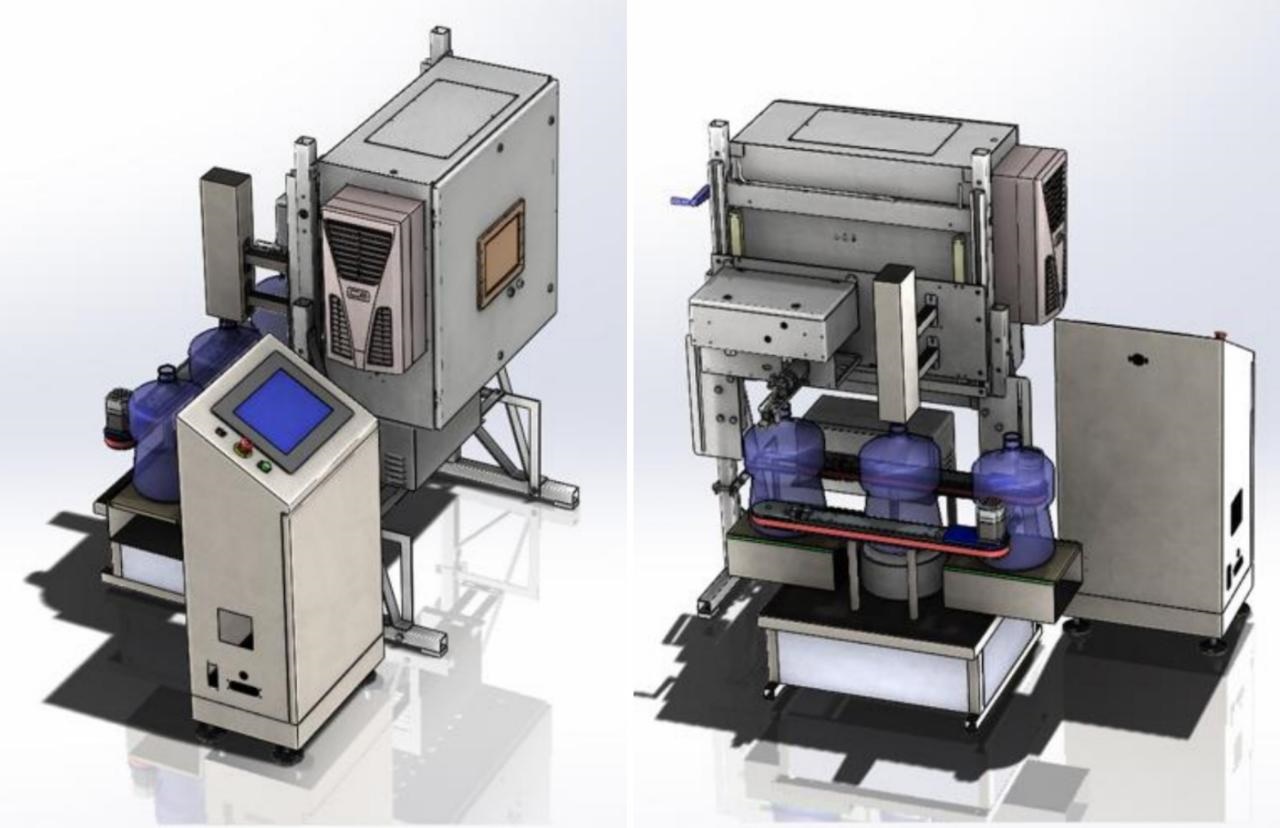
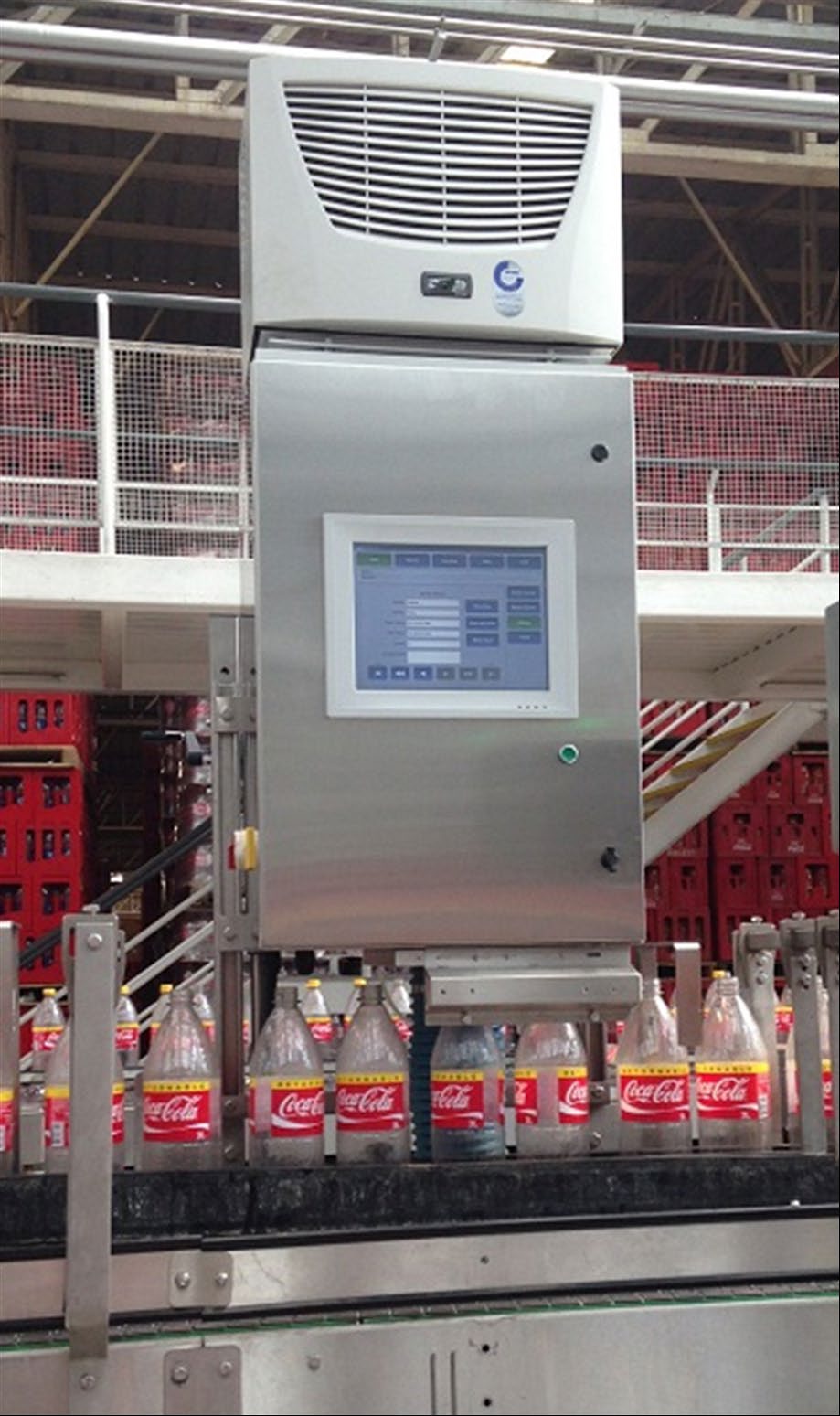
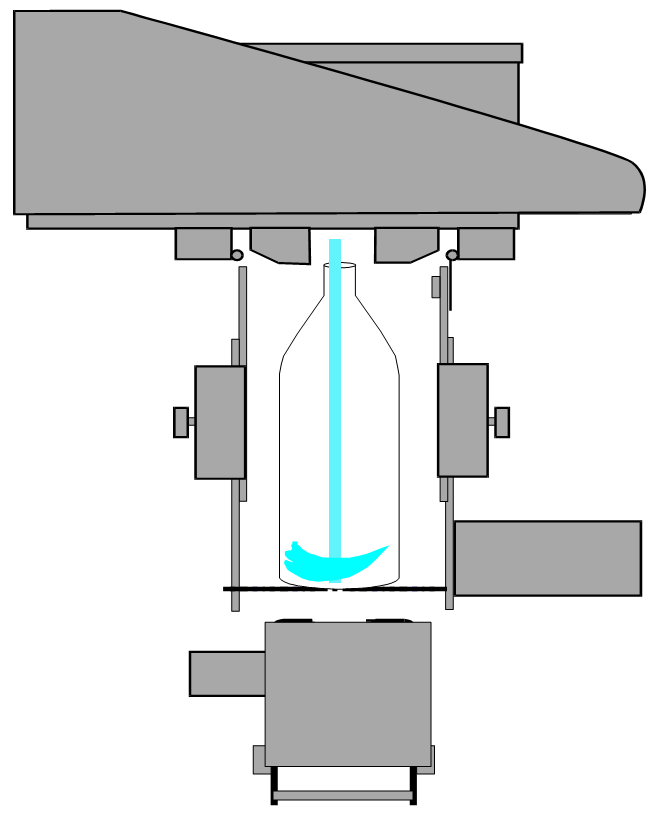
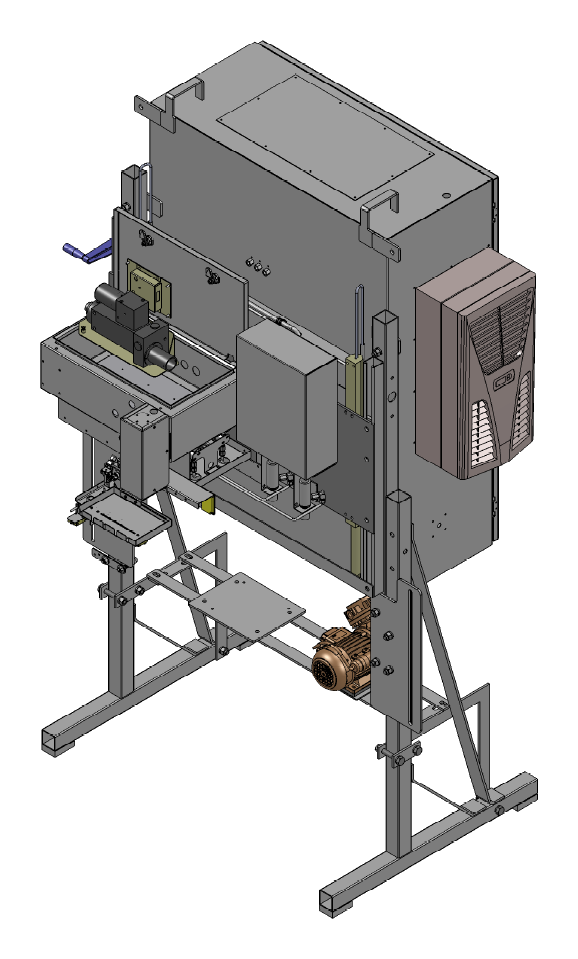
The A100 smells each returned bottle without ever touching it: a sample of the air inside the bottle is drawn out and checked by up to four detectors at once, each one tuned to a different kind of contaminant. If a detector finds a contaminant above a safe limit, the bottle is pulled from the line. Often several detectors must agree before a bottle is rejected — which keeps good bottles from being thrown out by mistake. Because nothing touches the bottle, there is no risk of one bottle contaminating the next, and none of the inconsistency of people smelling bottles by hand.
In the line
The A100 sits before the washer. Just before each bottle reaches it, a pretreatment step (SyncroJet) adds a small dose of cleaning solution and water to the bottom of the bottle and stirs up any residue, so its vapours rise to where the sniffer can detect them; a rinse, an air blow-off and detectors for leftover liquid or a still-capped bottle keep unsuitable bottles out. After the analysis, a camera checks the bottle bottom for foam. When a bottle is rejected, an alarm and a red light alert the operator and the bottle is removed gently by the reject unit. Anything that slips past is caught by the ENOS Mass Spec at the second barrier.
What each detector catches
- Aromatics
- Aromatic hydrocarbons such as gasoline, benzene, paint solvents and distillates.
- Ammoniacal
- Ammonia and nitrogen-based compounds, including some pesticides and fertilizers.
- Hydrocarbons
- Cancels out false alarms from smoke — forklift exhaust or chimney smoke that storage can leave inside a bottle — so genuine contamination stands out clearly.
- Low-volatility
- Perfumed, foam-making products such as scented cleaners and detergents, revealed by the foam they raise during pretreatment.
Options
- Vision ENOS Vision module that images the bottle bottom for a 100% inspection zone, catching foam raised during pretreatment that signals perfumed, foam-generating contaminants.
- Autocal Auto-calibration mode: the system calibrates and self-diagnoses every 2 hours, verifying its own state and storing the results for stable detection across shifts.