What it does
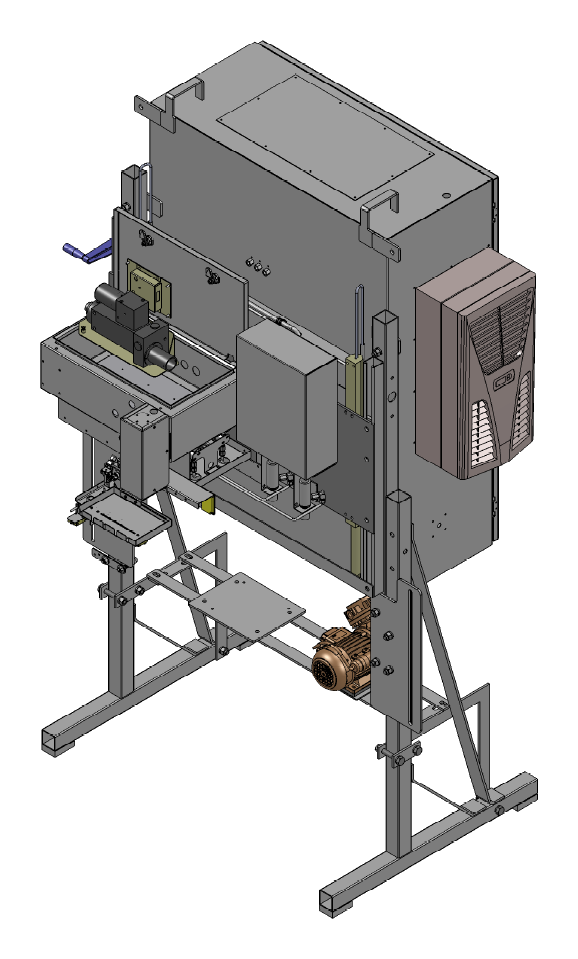
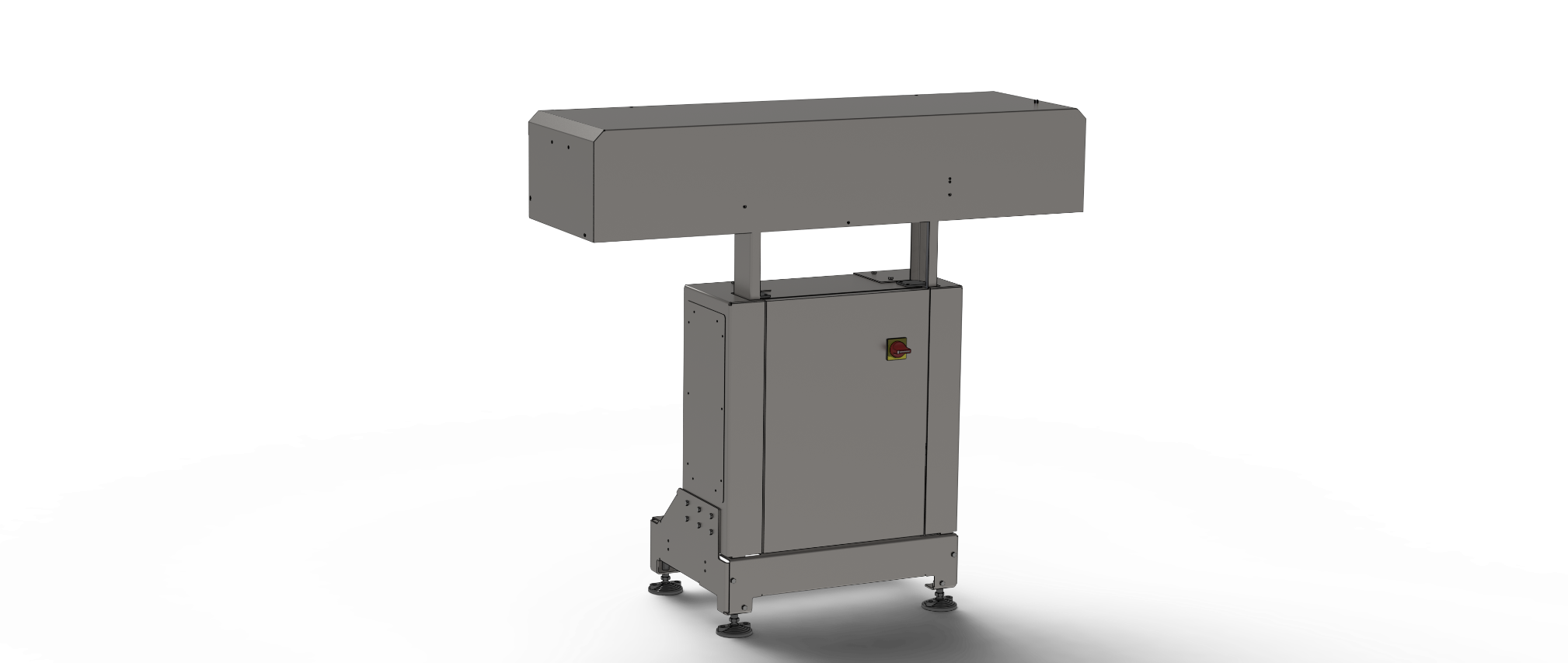
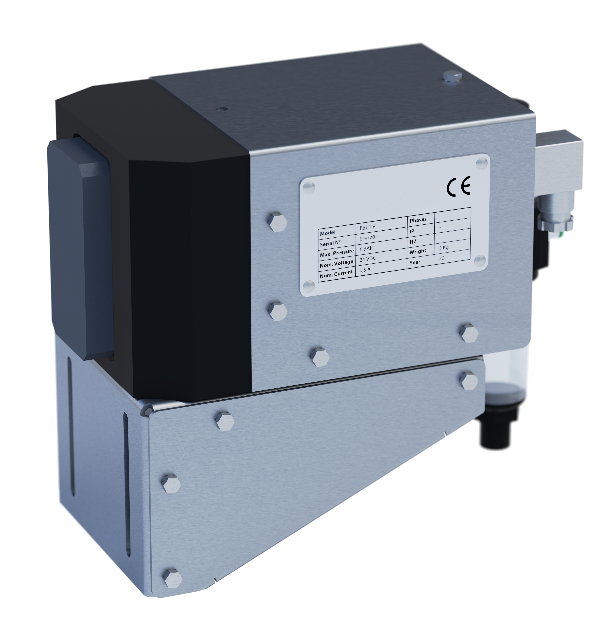
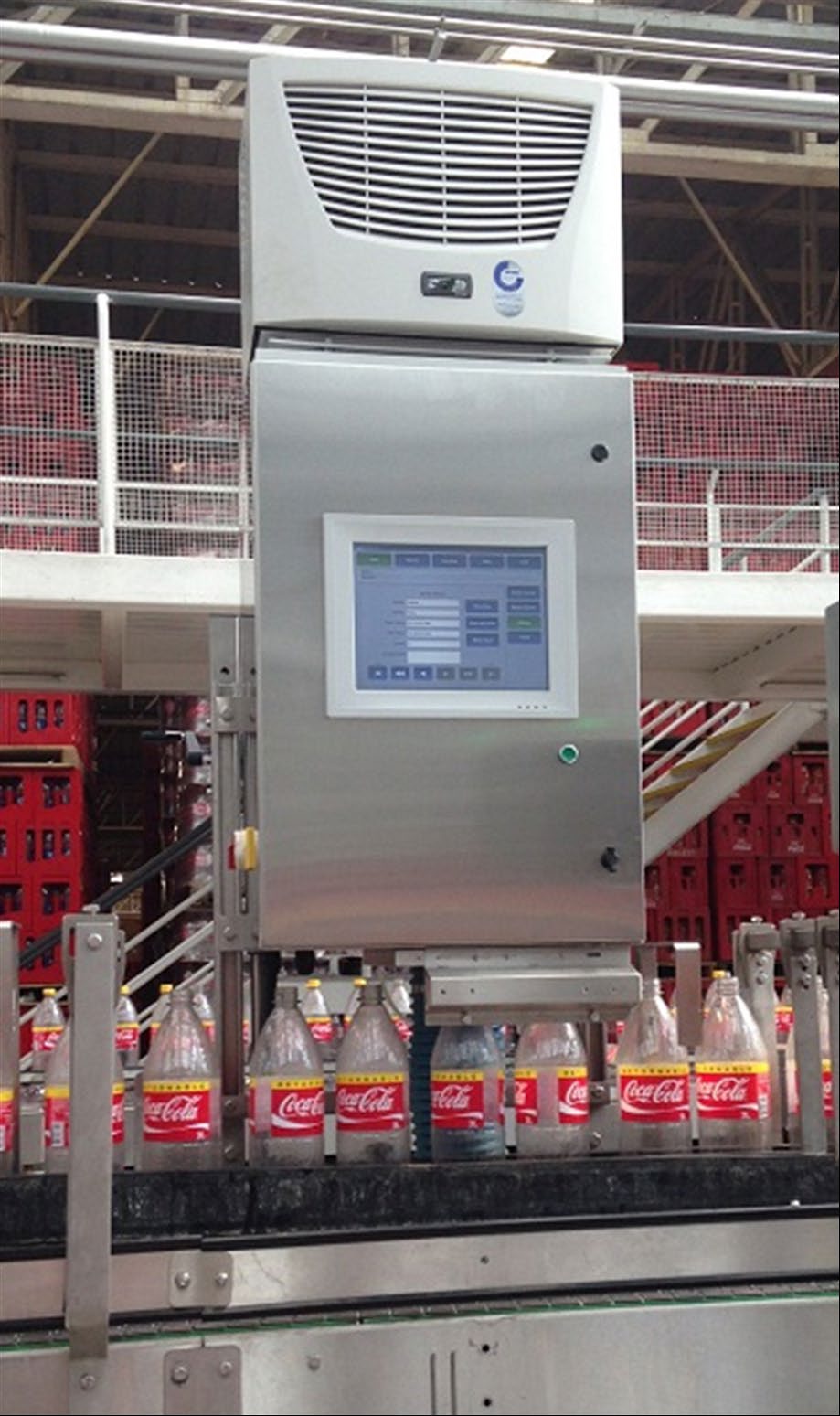
The Mass Spec is the second barrier in ENOS's multi-barrier prewash inspection. It takes a sample from each bottle and scans the full range of vapours, so instead of looking only for a fixed set of contaminants it can recognise almost anything by its chemical fingerprint — broad coverage rather than one family at a time. A companion check flags any liquid left in the bottle. It sits behind the A100 and ahead of the washer, with a gentle reject unit and reject confirmation right after it.
Why a second barrier
The A100 removes the aggressive, strong contaminants up front — fuels, ammonia, aromatic solvents — so they never reach the Mass Spec. That keeps the Mass Spec from being overwhelmed by strong signals, letting it run at full sensitivity for the faint traces that can slip past the first barrier. The result is broader coverage, fewer escapes, and more stable production than either barrier delivers alone.
What it catches
Working at full sensitivity, it covers every family the first barrier targets — but down at the faintest trace levels:
- Aromatics
- Leftover solvents such as acetone, alcohols and paint thinners
- Ammoniacal
- Traces of pesticides and insecticides
- Low-volatility
- Industrial detergents, strong perfumes and deodorants
- Alcohols
- Alcohols and home-distilled spirit residues
- Hydrocarbons
- Traces of fuels and solvents below what the first barrier removes
Reliable, shift after shift
The Mass Spec looks after itself: it keeps its own sensitivity tuned for consistent results shift after shift, powers down when the line is idle to protect its components, and safeguards itself automatically if a fault occurs. A built-in self-test with a known check bottle confirms — at start-up and regularly through the day — that it is detecting correctly and that flagged bottles are actually being removed.